Part 2: I think my child needs pelvic floor therapy, now what?
By Hayden Migneault, DPT
Welcome to Part 2 of our series all about pediatric pelvic floor therapy! This three-part series will help parents better understand pediatric pelvic floor therapy and potty training support options for children. In Part 1, PT Mrs. Hayden covered what pelvic floor therapy is and when it might be needed. In Part 2, we'll talk about what the next steps look like if you think your child might need pelvic floor therapy. And here's the good news: There are strategies that you can start on today that will help set them up for success in therapy!
Starting Good Toilet “Potty” Habits
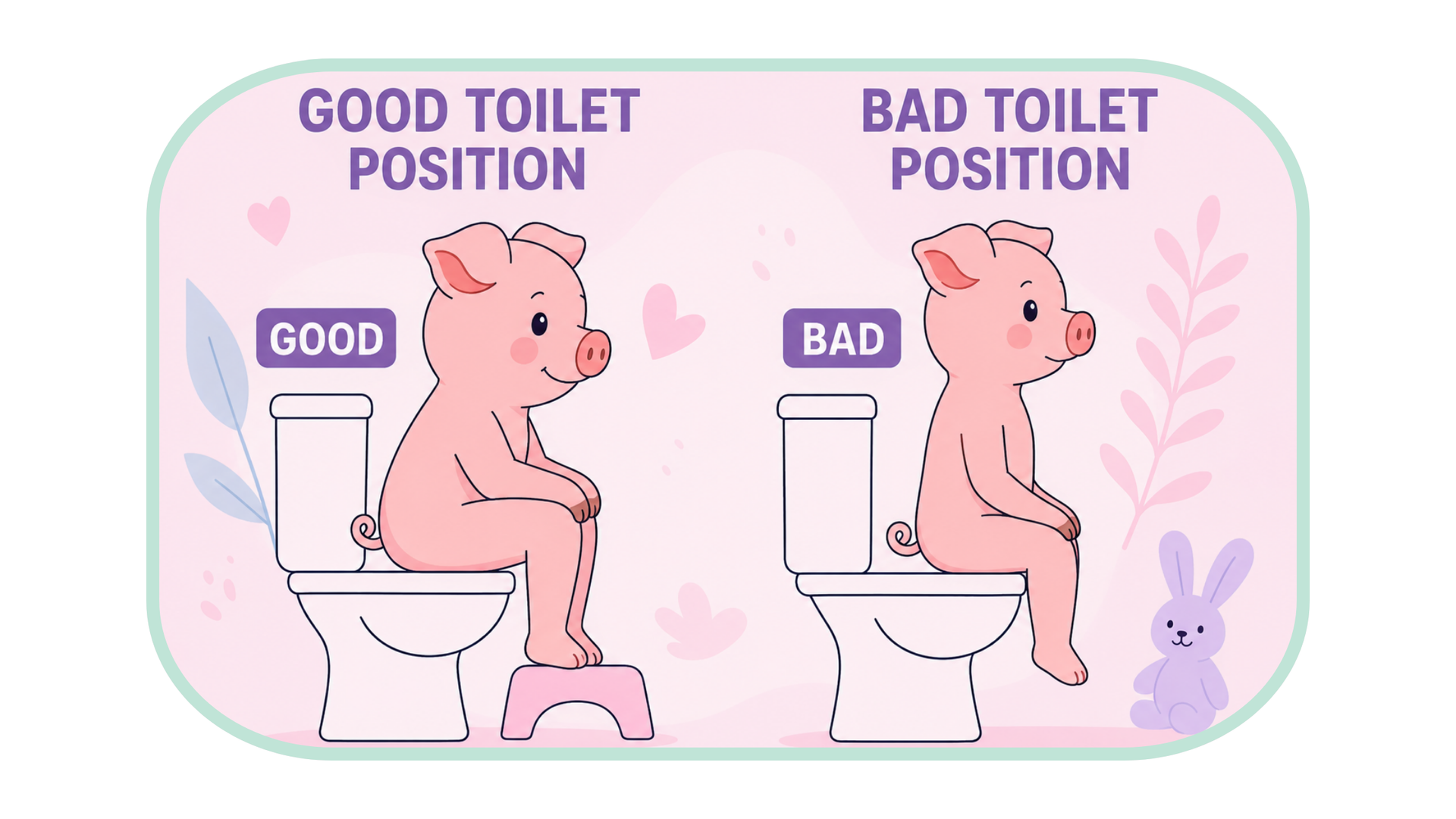
Practicing Good Potty Posture
Potty posture is how a child sits on the toilet when they are trying to pee or poop. The way a child sits can make a big difference in how easily their body works.
- Feet supported (Try a step stool or “squatty potty”)
- Knees raised above hips
- Chest slightly leaning forward towards thighs
- Stable base of support on toilet seat
Pairing with Diaphragmatic “Belly” Breathing
Diaphragmatic breathing, also known as “Belly Breathing,” is a way that we breathe when our body is calm and focused. Adults often do this without realizing, but kids may need some help to learn. This is an important skill, as our pelvic floor muscles need to relax for us to control when we pee and poop.
When a child:
- Breathes in, the pelvic floor gently relaxes
- Breathes out, the body can help push things out naturally
Ways to make Belly Breathing fun:
- Can have the child blow bubbles while on the toilet
- Can use a whistle or pinwheel, and give cues to breathe out slowly
Ways to Educate
Interoception talks
Interoception is your body’s ability to notice signals from inside your body. Throughout the day, talk to your child about sensations their body is feeling.
Try asking these questions:
- What does your body feel when it’s hungry?
- How does your body let you know you are thirsty?
- What does your body feel when it is hot or cold? How do you know when you need a coat?
- What does your body feel when it has to go to the bathroom? Is it different when you have to pee versus when you have to poop?
Basic Anatomy Education
Understanding basic anatomy is key for helping your child understand their body cues. Teach it like a journey through the body --
For peeing:
- “Your kidneys make pee.”
- “Pee travels down tubes to your bladder.”
- “Your bladder stores it until it’s time to go.”
- “Then it comes out when your body relaxes.”
For pooping:
- “Food goes into your stomach, then your intestines.”
- “Your body takes what it needs, and the rest becomes poop.”
- “Poop moves to the rectum and waits until it’s time to go.”
Keep words simple, but introduce basic terms like
bladder and
intestines so kids learn the anatomy.
Start Strengthening Today!
Once your child gets an evaluation, a physical therapist will be able to provide specific exercises for your child depending on their needs. However, starting strengthening activities right now will get your child ready!
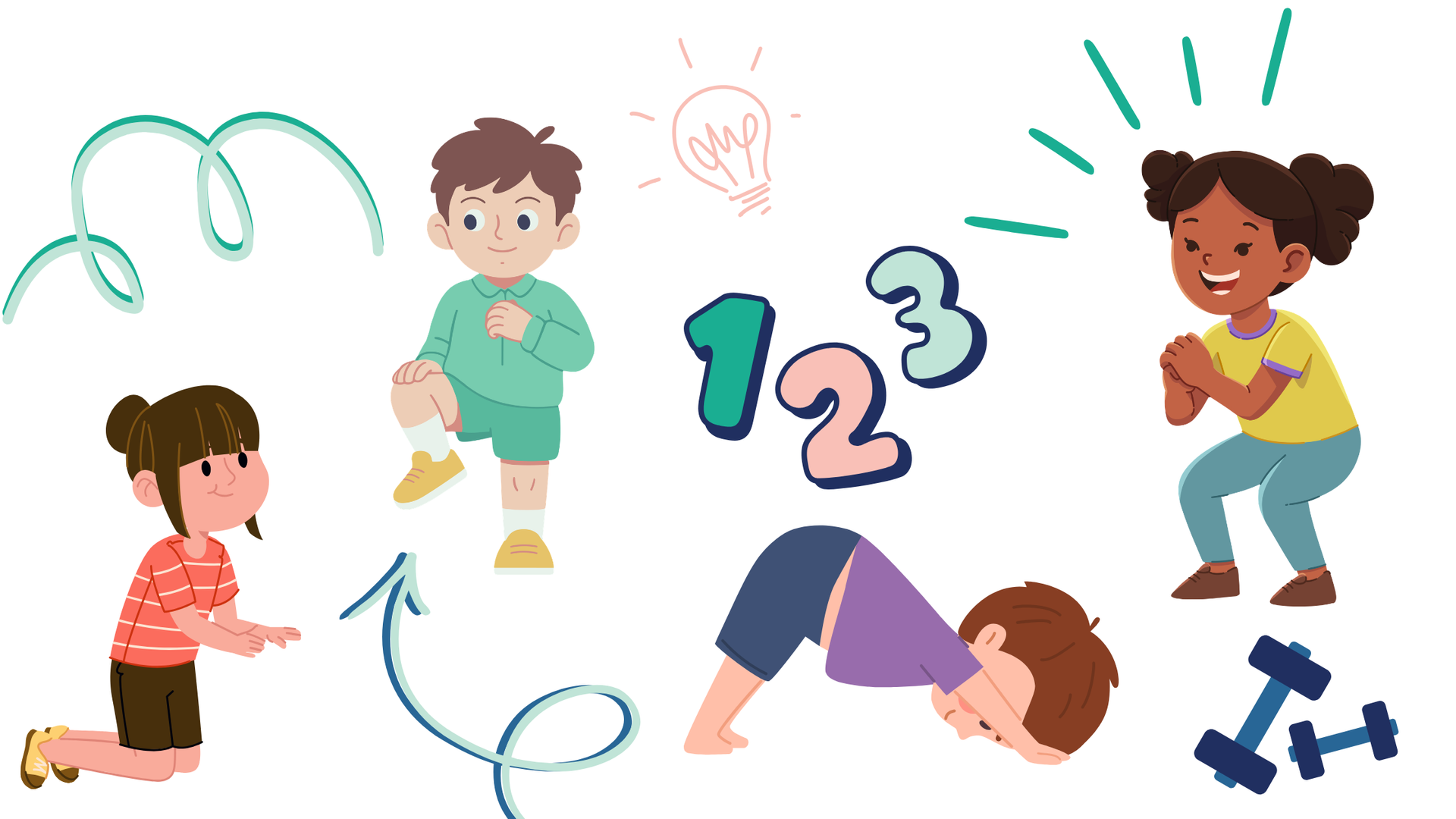
Tall Kneeling
This position is great for activating the core and pelvic floor muscles. In this position the child can color, draw, throw a ball, or blow bubbles. Any activity that is meaningful to them can be practiced in tall kneeling.
Standing on one Leg
As you pick up one leg from the ground, your pelvic floor muscles automatically turn on to help keep you balanced. In this position the child can kick a ball, stomp bubbles, or put rings on cones. There are many options for how to practice standing on one leg.
Animal Walks
The exercises of bear crawls and crab walks are great activities for children to work on their overall core and pelvic floor strength. You can show them how to do it, or perform them together!
The small steps you take at home can make a big difference in helping your child feel more confident and successful with toileting. Building healthy habits, body awareness, and strength now can help prepare your child for therapy and support long-term progress. If you have concerns about your child’s potty habits or think pelvic floor therapy may help, contact Hogg Therapy at (859)353-3666 to learn more about scheduling an evaluation with our team.




![We’ve loved seeing your stories roll in over the past couple weeks and wanted to share one of our own, thanks to therapists Lauren & Maya and their friend Tiffany. ❤️
Last week, OT Ms. Lauren and ST Ms. Maya accompanied Tiffany on a HUGE adventure, attending the Special Needs Camp of Kentucky for activities, friendship, and growth ? Headquartered in Bath County, SNCKI is free to attend, with nearly 100 campers enrolled this year! Ms. Lauren shared her thoughts with the HTP team when she got home: “The other campers welcomed [Tiffany] with open arms, and she made so many new friends…A space where 76 teens/adults with disabilities of all kinds were free to just be them and make those connections with each other while having tons of fun. We have had moments that were trickier to navigate, but we did it together.”
One of the nights was family and community night, featuring a group dance and a talent showcase. ?Lauren said, “The amount of love and support in the gym was out of this world. For her mom to see that, to know that we’ve got her girl no matter what, means more than any treatment code or note I could ever write. She is already asking when she gets to come back…and even told her mom to ‘buy a new house at camp’? If you are not already, follow Special Needs Connections of Kentucky, Inc on facebook. They are doing such AMAZING things for our community here and deserve so much support.” ? We couldn’t agree more!
Therapy isn’t about treatment codes, billable hours, documentation, or recertification. It’s about the meaningful moments and the love we pour into these children every single day. This is why Hogg Therapy exists—to give every child the opportunity to experience a meaningful, joyful life. ✨ Thank you, Lauren and Maya for your support both in and outside of the clinic and for sharing this story! ?](https://scontent-iad3-1.cdninstagram.com/v/t51.82787-15/747807719_18212073508337241_9129116297997701917_n.jpg?stp=dst-jpg_e35_tt6&_nc_cat=108&ccb=7-5&_nc_sid=18de74&efg=eyJlZmdfdGFnIjoiQ0FST1VTRUxfSVRFTS5iZXN0X2ltYWdlX3VybGdlbi5DMyJ9&_nc_ohc=Rn-Rf1gCdrAQ7kNvwG3eUxM&_nc_oc=AdpjR07392wdnoWQ0am41wgfJEFLdRkP-8K4tDY-a7NCQh6v-FYFKWfSa4hX5ZebCrI&_nc_zt=23&_nc_ht=scontent-iad3-1.cdninstagram.com&edm=ANo9K5cEAAAA&_nc_gid=qdSyYBjPqMImrY-alK6sDQ&_nc_tpa=Q5bMBQJY0VTduZ6xwzXtaf9F3DOshFiF23BI-dPMRr0676zh4sKTjBx61wfnIQRoI4-BHkAR0_xfbiVIkQ&oh=00_AQNx6S4IPceuRCVrG8jYZp3fEECGY9pb949WzEvIAnKbGw&oe=6AC0768A)


![We’re sharing an occupational therapy success story from OT Mrs. Abby today! ? Meet Grayson! When he first started occupational therapy, everyday life felt hard. He was experiencing significant picky eating, struggled with daily routines and transitions, and had a difficult time managing big emotions.
Since then, Grayson has put in so much hard work. Through OT, he has built confidence, strengthened his self-regulation skills, and learned to take on new and challenging tasks with courage. Every small step has added up to something truly amazing! One of the biggest reasons for Grayson’s success has been the incredible partnership with his parents. They fully embraced therapy beyond the clinic by consistently practicing strategies at home through his Home Exercise Program (HEP). Their dedication, encouragement, and willingness to try new approaches have made all the difference.
Today, Grayson is trying new foods every week, navigating daily routines with greater independence, and enjoying more successful, joyful moments with his family. His growth is a wonderful reminder of what can happen when a determined child, committed caregivers, and a supportive therapy team work together.
?Congratulations, Grayson! We are so proud of everything you’ve accomplished, and we’re celebrating your amazing parents, too. Your hard work, perseverance, and teamwork are inspiring! ?
[This story & all photos shared with parent permission ??] #occupationaltherapy #hoggtherapypediatrics #hoggtherapy #feedingtherapy](https://scontent-iad6-1.cdninstagram.com/v/t51.82787-15/742695277_18211398901337241_3568386461214310976_n.jpg?stp=dst-jpg_e35_tt6&_nc_cat=100&ccb=7-5&_nc_sid=18de74&efg=eyJlZmdfdGFnIjoiQ0FST1VTRUxfSVRFTS5iZXN0X2ltYWdlX3VybGdlbi5DMyJ9&_nc_ohc=wsT3SEfk5NsQ7kNvwH7OcQY&_nc_oc=Adru4WGTUv9KR_IJYjBhzkxdtr2Sp_NA6PD11hDwXLHscYXY1LKHA-KKlAQqwCB7r14&_nc_zt=23&_nc_ht=scontent-iad6-1.cdninstagram.com&edm=ANo9K5cEAAAA&_nc_gid=qdSyYBjPqMImrY-alK6sDQ&_nc_tpa=Q5bMBQJMgjkKaSBvGwe4ZFpXUYUiKJECVmzym8ulwJ1DK9CEwjRwbMqv8MgMHmpJ0Ciwrda5rcIl2GVfTw&oh=00_AQPYdl00tXp-A5WnssiZRL66C27SFkplfXy3usQ2QGCVuA&oe=6AC08D4E)