Why Silly Books Build Serious Skills
By Shannon Smith, Learning Specialist
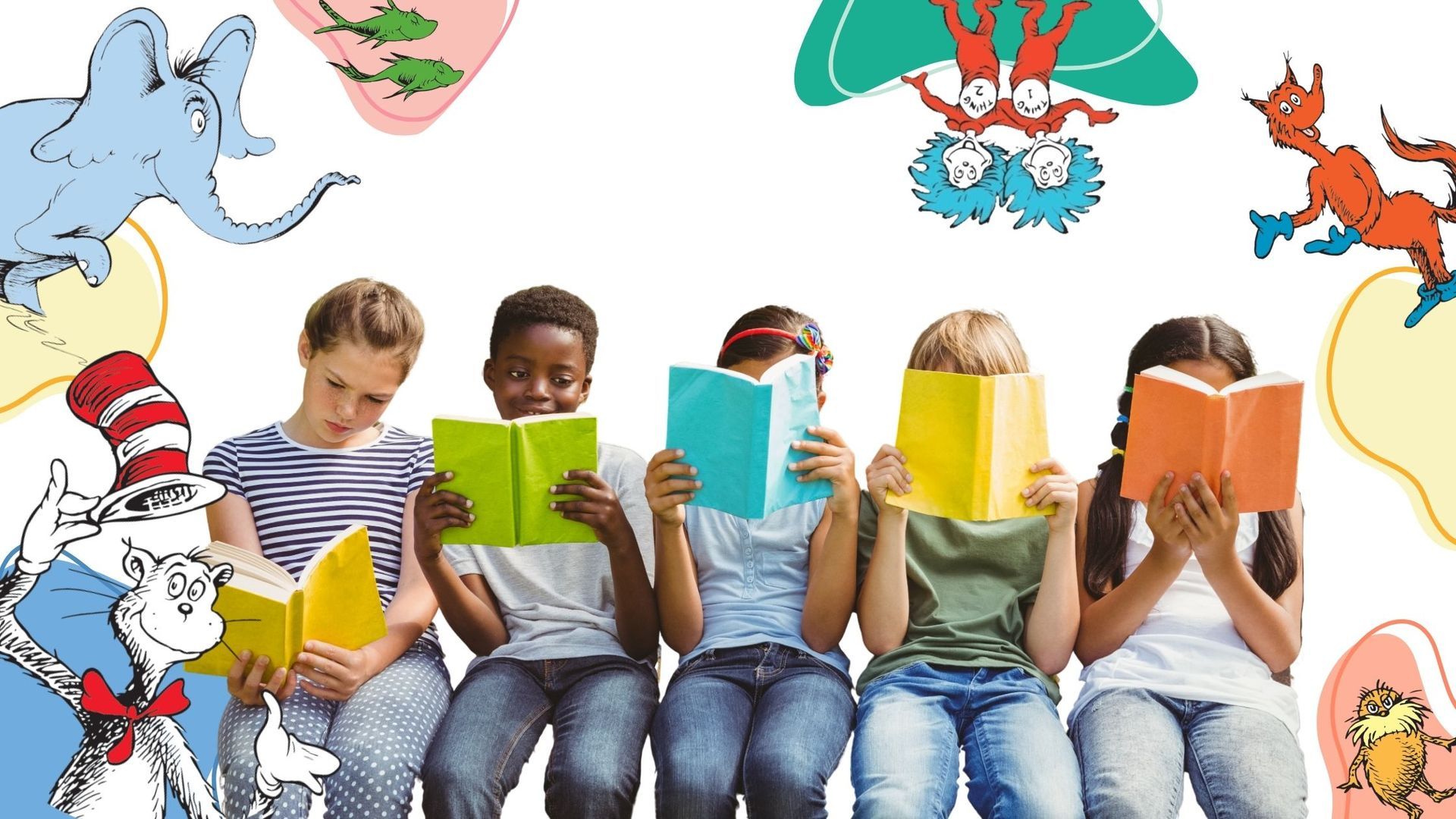
At first glance, the wonderfully weird world of Dr. Seuss seems like pure fun—foxes in socks, cats in hats, and green eggs served in a tree. But beneath the giggles lies something powerful: carefully crafted language patterns that build foundational reading skills.
Silly books work because they are deliberately structured. Rhythm is one of their greatest strengths. The steady beat of a rhyming text creates predictability, helping children anticipate sounds before they even decode the words. This supports phonological awareness—the ability to hear and manipulate sounds in language—which is one of the strongest predictors of reading success.
Repetition plays an equally important role. When a phrase or sentence pattern appears again and again, it strengthens neural pathways. Children begin to recognize word patterns automatically. Instead of laboring over every sound, they gain fluency. In structured dyslexia programs, like the one offered at Hogg Therapy’s Learning Center, this same principle is applied intentionally: repeated exposure to sound-symbol relationships builds mastery and confidence.
Engagement might be the most underestimated ingredient. Absurd characters and playful language reduce stress and increase attention. For children who struggle with reading—especially those with dyslexia—lowering anxiety is essential. When a story feels like play instead of work, the brain becomes more receptive to learning.
The magic of silly books isn’t accidental. Their rhyme, repetition, and joyful tone align closely with evidence-based reading instruction. While they may look lighthearted, they are doing serious cognitive work behind the scenes. In our Learning Center, we use playful books and activities along with research supported tools like the Interactive Metronome for rhythm, building foundational reading skills while also having fun!
So the next time a child bursts into laughter over a tongue-twisting tale, remember: those silly sounds are building serious skills—one rhyme at a time.
Curious whether your child could benefit from structured literacy support? Contact the Hogg Therapy Learning Center at
(859) 353-3666, ext. 105, or reach our Learning Center team directly by call or text at
(859) 205-6494
to explore our programs or schedule an appointment with a Learning Specialist.