Dysphonia & How Pediatric Speech Therapy Can Help
Dysphonia isn’t a word you hear very often. The term describes several difficulties speaking due to a physical condition, including those resulting from other medical conditions like nodules on the vocal cords or acid reflux. When seen in children, dysphonia tends to be present without any clear anatomical or neurological causes. Pediatric speech therapy is a preferred treatment for dysphonia, and the speech-language therapists at Hogg Therapy are here to help your child overcome their vocal obstacles and let their voice be heard.
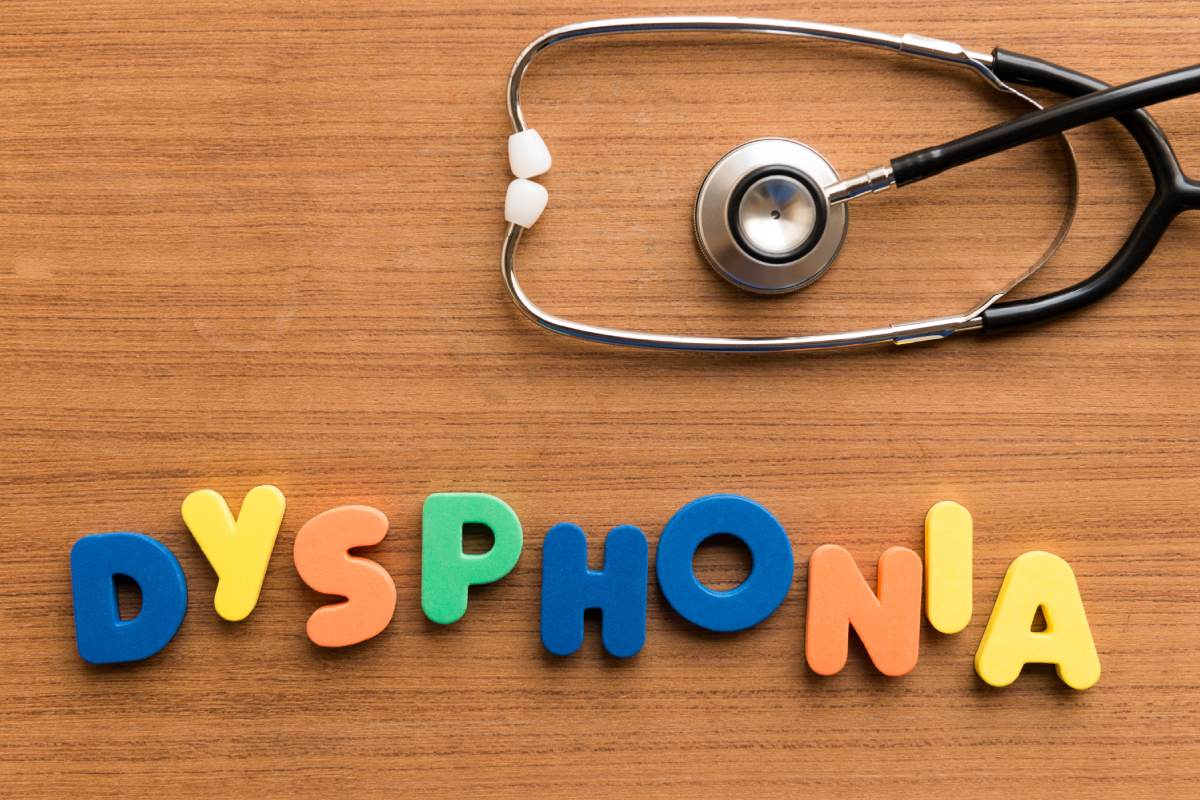
Dysphonia can often go undiagnosed because many parents chalk their child’s voice troubles up to being excited or yelling. Overusing the vocal cords can affect the voice temporarily, but true dysphonia continues well after the normal length of a strained voice. Be on the lookout for the following things if you suspect your child has a voice disorder:
- A raspy or hoarse voice that is not the result of allergies or other illness
- Pain or discomfort while speaking
- Inconsistent pitch and volume of voice
- Quivering or breathy voice
Treating Dysphonia with Pediatric Speech Therapy
Kids learn a lot by modeling the behavior of their peers. If dysphonia affects your child’s ability to communicate successfully with friends and classmates, it’s vital to get speech therapy underway as soon as possible. Dysphonia can negatively impact your child’s socialization and self-esteem when left untreated. Speech-language therapy will assist you and your child with adopting healthy vocal habits and practicing good voice hygiene.
Like all therapies, speech-language therapy will be the most beneficial if you work with your child between sessions. Your child’s pediatric speech therapist will use resonant voice therapy to help your child identify and use their “easy voice.” This means paying attention to the vibrations you feel when you make certain sounds, such as “m” or “v”, and allowing the words to flow freely instead of forcing speech. Tongue twisters and nursery rhymes are both great ways for your child to overcome dysphonia because you must slow down in order to complete the phrases properly.
Healthy Voice Habits
- Staying hydrated is essential for overall health, especially for active kids
- Avoid vocal extremes, including yelling and whispering
- Use non-verbal gestures to get someone’s attention when they are not within earshot
- Recognizing when your voice needs to rest
- Impersonations may be entertaining, but pushing your voice out of its normal range puts unnecessary strain on your vocal cords
Continuing Speech Therapy at Home
You don’t need any special skills or training to help your child reach their goals. Your kids are more likely to participate in speech therapy exercises if they have fun. Set a timer and see who can be the quietest during that period of time. Spend a day playing voice detective; take note of the volume, tone, and speed of people speaking around you. Encourage your child to slow down when they are talking. This not only makes it easier for others to understand what is being said, it also helps to ensure your child is using proper breathing patterns.
Speech Therapy near Richmond, KY
Finding a qualified speech-language therapist doesn’t have to be difficult. The team at Hogg Therapy will work closely with you to create an empowering treatment plan for your child. Send us a message or call us at (859) 353-3666 to schedule an initial appointment.
We have locations in Richmond and Berea, KY, and are happy to serve Winchester, Irvine, McKee, Annville, Mount Vernon, Brodhead, Richmond, Berea, Livingston, and Lexington, KY.



![We’ve loved seeing your stories roll in over the past couple weeks and wanted to share one of our own, thanks to therapists Lauren & Maya and their friend Tiffany. ❤️
Last week, OT Ms. Lauren and ST Ms. Maya accompanied Tiffany on a HUGE adventure, attending the Special Needs Camp of Kentucky for activities, friendship, and growth ? Headquartered in Bath County, SNCKI is free to attend, with nearly 100 campers enrolled this year! Ms. Lauren shared her thoughts with the HTP team when she got home: “The other campers welcomed [Tiffany] with open arms, and she made so many new friends…A space where 76 teens/adults with disabilities of all kinds were free to just be them and make those connections with each other while having tons of fun. We have had moments that were trickier to navigate, but we did it together.”
One of the nights was family and community night, featuring a group dance and a talent showcase. ?Lauren said, “The amount of love and support in the gym was out of this world. For her mom to see that, to know that we’ve got her girl no matter what, means more than any treatment code or note I could ever write. She is already asking when she gets to come back…and even told her mom to ‘buy a new house at camp’? If you are not already, follow Special Needs Connections of Kentucky, Inc on facebook. They are doing such AMAZING things for our community here and deserve so much support.” ? We couldn’t agree more!
Therapy isn’t about treatment codes, billable hours, documentation, or recertification. It’s about the meaningful moments and the love we pour into these children every single day. This is why Hogg Therapy exists—to give every child the opportunity to experience a meaningful, joyful life. ✨ Thank you, Lauren and Maya for your support both in and outside of the clinic and for sharing this story! ?](https://scontent-iad3-1.cdninstagram.com/v/t51.82787-15/747807719_18212073508337241_9129116297997701917_n.jpg?stp=dst-jpg_e35_tt6&_nc_cat=108&ccb=7-5&_nc_sid=18de74&efg=eyJlZmdfdGFnIjoiQ0FST1VTRUxfSVRFTS5iZXN0X2ltYWdlX3VybGdlbi5DMyJ9&_nc_ohc=A47UAJMWVtwQ7kNvwFBrJLw&_nc_oc=AdqmSPN29MaMQP1WpO_N-Qd4c9lFFDFjcbmikm4AmZlGV98xbCciR6VM6X-YO0UlskY&_nc_zt=23&_nc_ht=scontent-iad3-1.cdninstagram.com&edm=ANo9K5cEAAAA&_nc_gid=GAjQud21A693syb8BHawGA&_nc_tpa=Q5bMBQLouOyv5ZX1RUlSuZ04hwjt1xpju9htyU094OsUyqBNGiF0SpgnGx85ZEpioGpZAejxE2_uQlCd0A&oh=00_AQO9muINyUFbM7tpgvCxanURGhVQF_DlpRQlDOL9uNzHmw&oe=6ACE160A)